
More to Management: At IIM Bangalore, Wellness is Part of Campus Life
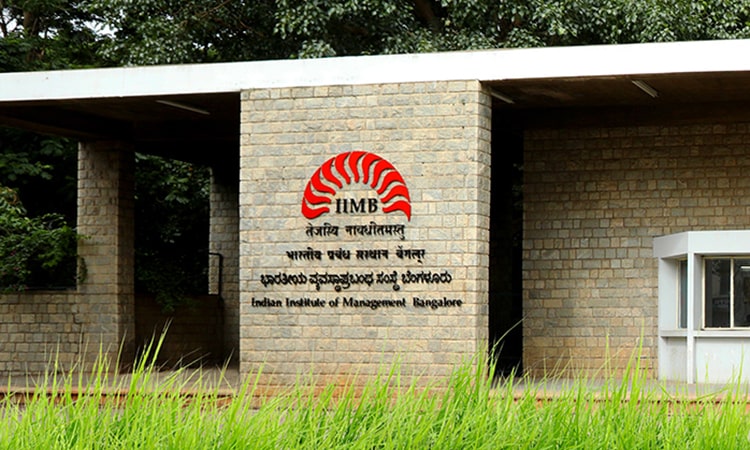
Institute’s Happiness and Wellness Fest, Tarang, returned on 25th July with pottery, movement sessions, open mics, creative workshops and community activities
25 July, 2026, Bengaluru: Discussions at IIM Bangalore may routinely revolve around markets, strategy and leadership, but an equally important conversation, integral to management learning, is taking shape outside the classroom – one centred on well-being, belonging and community.
On 25th July, the Institute's Happiness and Wellness Fest, Tarang, returned to campus. Organized by Antarang, the student-led wellness club, in collaboration with the Student Welfare Office (SWO), the festival transformed L Square into a space for creativity and connection through a lineup of activities ranging from pottery, coffee painting and karaoke to movement sessions, open mics, stress-relief games and interactive wellness experiences.
Tarang is the most visible expression of a broader shift underway at IIM Bangalore, where student welfare has evolved into a focal priority through a campus-wide initiative. A handful of institutions like IIMB have extended the traditional counselling services into a wellness model of thriving. IIMB constituted an exclusive student welfare committee led by a faculty chair from 2024 to focus on various facets of student well-being. Robust tiered support systems, accessible professional mental health services, provision of safe space, promoting connectedness and normalizing mental health are primary goals.
The Student Welfare Office governs five key areas of well-being. These include free access to professional counselling and psychiatric services, peer support networks across academic programmes, safe confidential spaces where students can seek comfort and guidance, experiential activities that promote self-expression and mindfulness, and community service initiatives designed to strengthen empathy and belonging.
At IIMB, the culture of seeking support is evident in different contexts. MITR buddies are contacted by freshers for a range of queries during their transition into campus. Elected welfare representatives serve as accessible points of contact within each cohort. The welfare office also liaises with the mental health service providers, thereby acting as a bridge between overall quality and targeted improvements in services.
Throughout the academic year, Antarang and the Student Welfare Office curate activities that encourage students to step away from academic routines and reconnect with themselves and one another. Yoga sessions, meditation, dance workshops, bird-watching walks, language-learning groups and creative workshops have become regular features of campus life that help create informal spaces for interaction beyond classrooms and study groups.
The welfare initiative also extends beyond personal well-being. Through campus horticulture projects, volunteering opportunities and the FormSeva initiative developed with the student social impact club Vikasana – which has facilitated nearly 300 registrations for government welfare schemes among members of the larger campus community – the programme encourages students to build a sense of purpose through service.
The festival served as a gentle reminder that preparing future leaders also means nurturing spaces where they can pause, connect, create and care for themselves and for those around them.
More to Management: At IIM Bangalore, Wellness is Part of Campus Life
Institute’s Happiness and Wellness Fest, Tarang, returned on 25th July with pottery, movement sessions, open mics, creative workshops and community activities
25 July, 2026, Bengaluru: Discussions at IIM Bangalore may routinely revolve around markets, strategy and leadership, but an equally important conversation, integral to management learning, is taking shape outside the classroom – one centred on well-being, belonging and community.
On 25th July, the Institute's Happiness and Wellness Fest, Tarang, returned to campus. Organized by Antarang, the student-led wellness club, in collaboration with the Student Welfare Office (SWO), the festival transformed L Square into a space for creativity and connection through a lineup of activities ranging from pottery, coffee painting and karaoke to movement sessions, open mics, stress-relief games and interactive wellness experiences.
Tarang is the most visible expression of a broader shift underway at IIM Bangalore, where student welfare has evolved into a focal priority through a campus-wide initiative. A handful of institutions like IIMB have extended the traditional counselling services into a wellness model of thriving. IIMB constituted an exclusive student welfare committee led by a faculty chair from 2024 to focus on various facets of student well-being. Robust tiered support systems, accessible professional mental health services, provision of safe space, promoting connectedness and normalizing mental health are primary goals.
The Student Welfare Office governs five key areas of well-being. These include free access to professional counselling and psychiatric services, peer support networks across academic programmes, safe confidential spaces where students can seek comfort and guidance, experiential activities that promote self-expression and mindfulness, and community service initiatives designed to strengthen empathy and belonging.
At IIMB, the culture of seeking support is evident in different contexts. MITR buddies are contacted by freshers for a range of queries during their transition into campus. Elected welfare representatives serve as accessible points of contact within each cohort. The welfare office also liaises with the mental health service providers, thereby acting as a bridge between overall quality and targeted improvements in services.
Throughout the academic year, Antarang and the Student Welfare Office curate activities that encourage students to step away from academic routines and reconnect with themselves and one another. Yoga sessions, meditation, dance workshops, bird-watching walks, language-learning groups and creative workshops have become regular features of campus life that help create informal spaces for interaction beyond classrooms and study groups.
The welfare initiative also extends beyond personal well-being. Through campus horticulture projects, volunteering opportunities and the FormSeva initiative developed with the student social impact club Vikasana – which has facilitated nearly 300 registrations for government welfare schemes among members of the larger campus community – the programme encourages students to build a sense of purpose through service.
The festival served as a gentle reminder that preparing future leaders also means nurturing spaces where they can pause, connect, create and care for themselves and for those around them.